
"In 1920, in a narrow lane of Kannauj, a young man named Hari Bhai stood beside a copper deg for the first time and watched rose petals dissolve into water."
He wasn't reviving anything. He wasn't building a brand. He was just doing what the people of Kannauj had always done - slowly, by hand, with patience, with fire.
Four generations later, that same fire is still burning in the same workshop. The deg he stood beside is still there. The craft he learned is still being practiced - by his son, his son's son, and now his great-grandson.
This is not a comeback story. This is a continuity story.
Hari Bhai
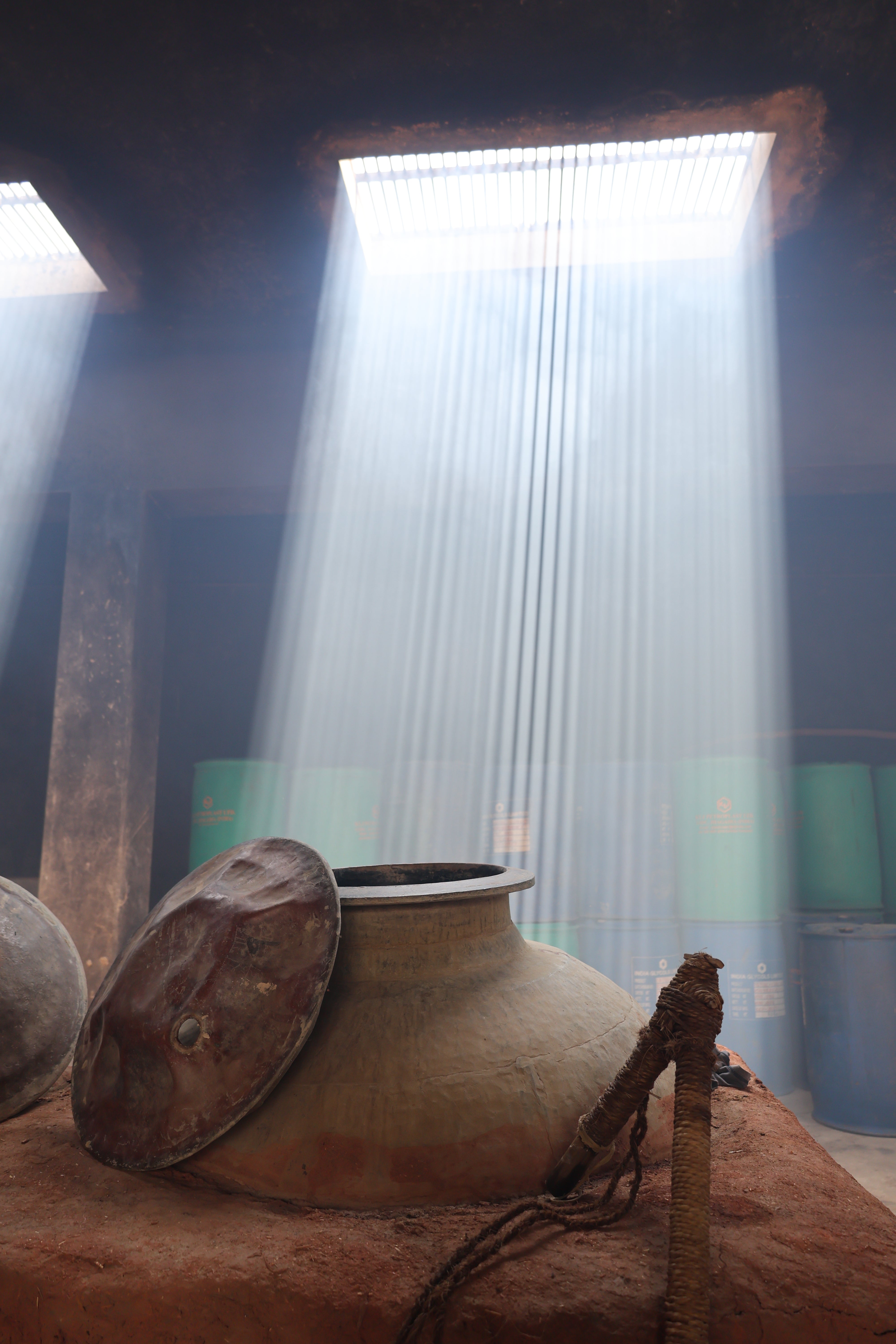
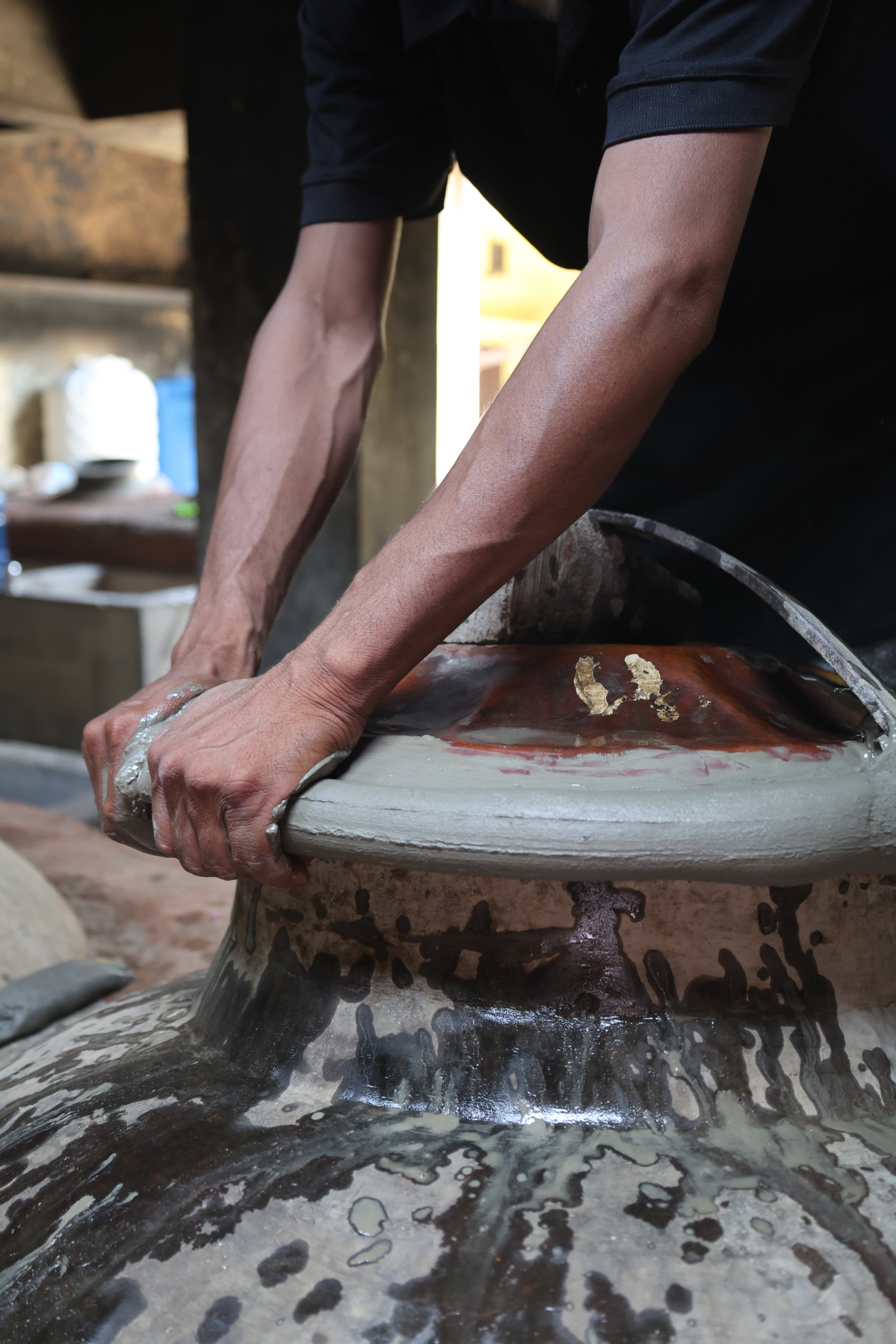
Hari Bhai learned the craft the only way it could be learned - by doing it, thousands of times, until his hands knew what his eyes could not see. He learned when a rose petal had given everything it had to give. He learned the exact weight of mitti clay needed to seal a deg. He learned how long the fire should breathe before the first drop of attar appeared in the bhapka.
He built nothing famous. He made no announcements. He simply made - every day, with honesty, with his hands - pure attars, rose waters, and oils from the soil of Kannauj. Purity was not his tagline. It was his standard.
"He sold to traders, to wholesalers, to those who supplied perfumers across the region. He was not the face of any brand. He was the maker behind many."
Rakesh
Hari Bhai's son Rakesh inherited two things - the craft and the standard. In the 1960s, Rakesh carried both beyond Kannauj for the first time. Maharashtra. Gujarat. New markets. New relationships. But never new methods.
While the world around him was beginning to industrialise fragrance - while synthetic notes and alcohol-based perfumes flooded India - Rakesh refused. Not out of stubbornness. Out of certainty. He expanded the business. He never diluted the craft.
"The traders he supplied returned every season - because they knew what his products contained. Nothing added. Nothing removed."
Neeraj
Rakesh's son Neeraj took the work further - across more states, more relationships, more of India. By the 2000s, Hari Bhai Shah had become a trusted name in the wholesale and manufacturing supply chain of Indian fragrance.
Some of the attar brands you may have bought - the ones with heritage on their labels - they used oils that came from Kannauj. From makers like our family. From degs like ours. He kept making. He kept the standard. He never lowered the fire.
"We were never on the label. We were in the bottle."
Pranay
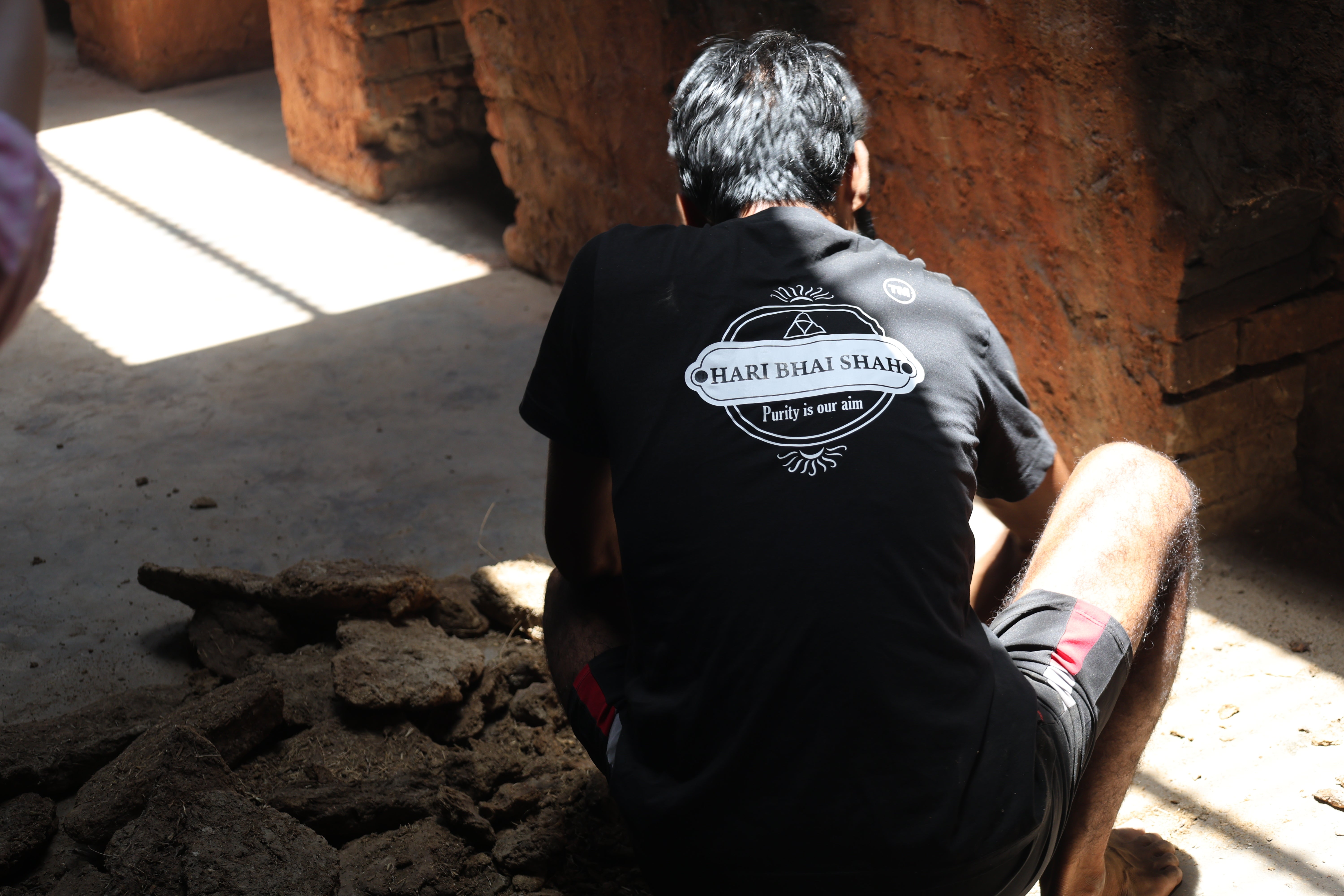
Neeraj's son Pranay grew up in this workshop. He knows the smell of the deg at 4am when the roses have been distilling through the night. He knows which season's roses give the deepest Itra-e-Mehfil, and which give a lighter, brighter Arq-e-Jal. He knows this because he has spent his life here.
And now - for the first time in four generations - Pranay is bringing it directly to you. Not through a wholesaler. Not through a manufacturer who will put their label on our oil. From our hands to yours.
"The first three generations made it for the trade. The fourth is making it for you."
The process has not changed. Because there is no better way.
Damask roses - grown on our own fields in Kannauj. Picked by hand at sunrise, before the heat of the day touches them. Sixteen hours of distillation for one gram of attar.
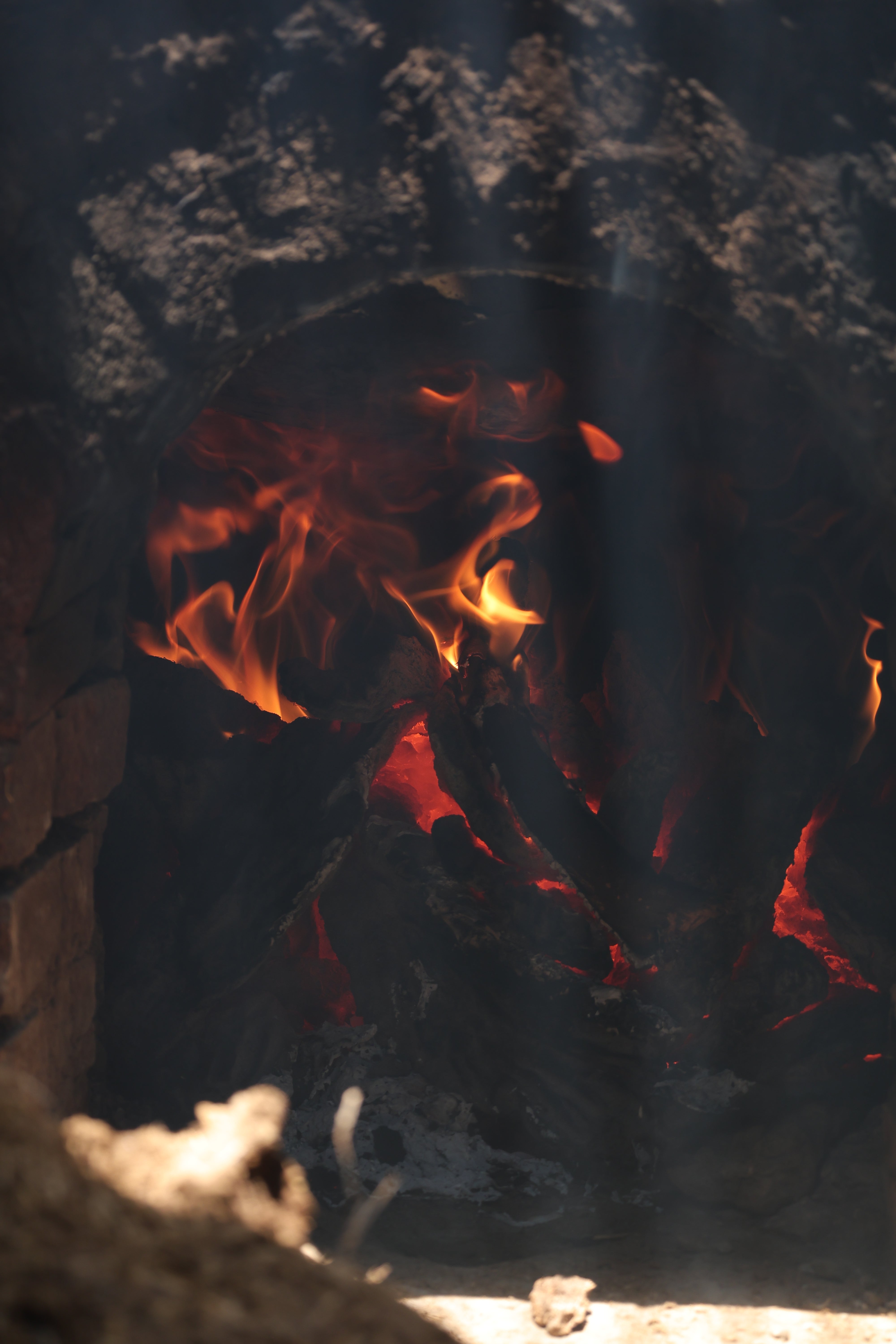
A copper deg, sealed with mitti clay. A wood fire underneath. A bhapka receiver filled with sandalwood oil. The same setup Hari Bhai used in 1920. The same setup Pranay uses today.
No alcohol. No synthetics. No shortcuts. No machines. Every batch made by hand, in the same workshop, by the same family. Purity is not our tagline. It is our only way of working.
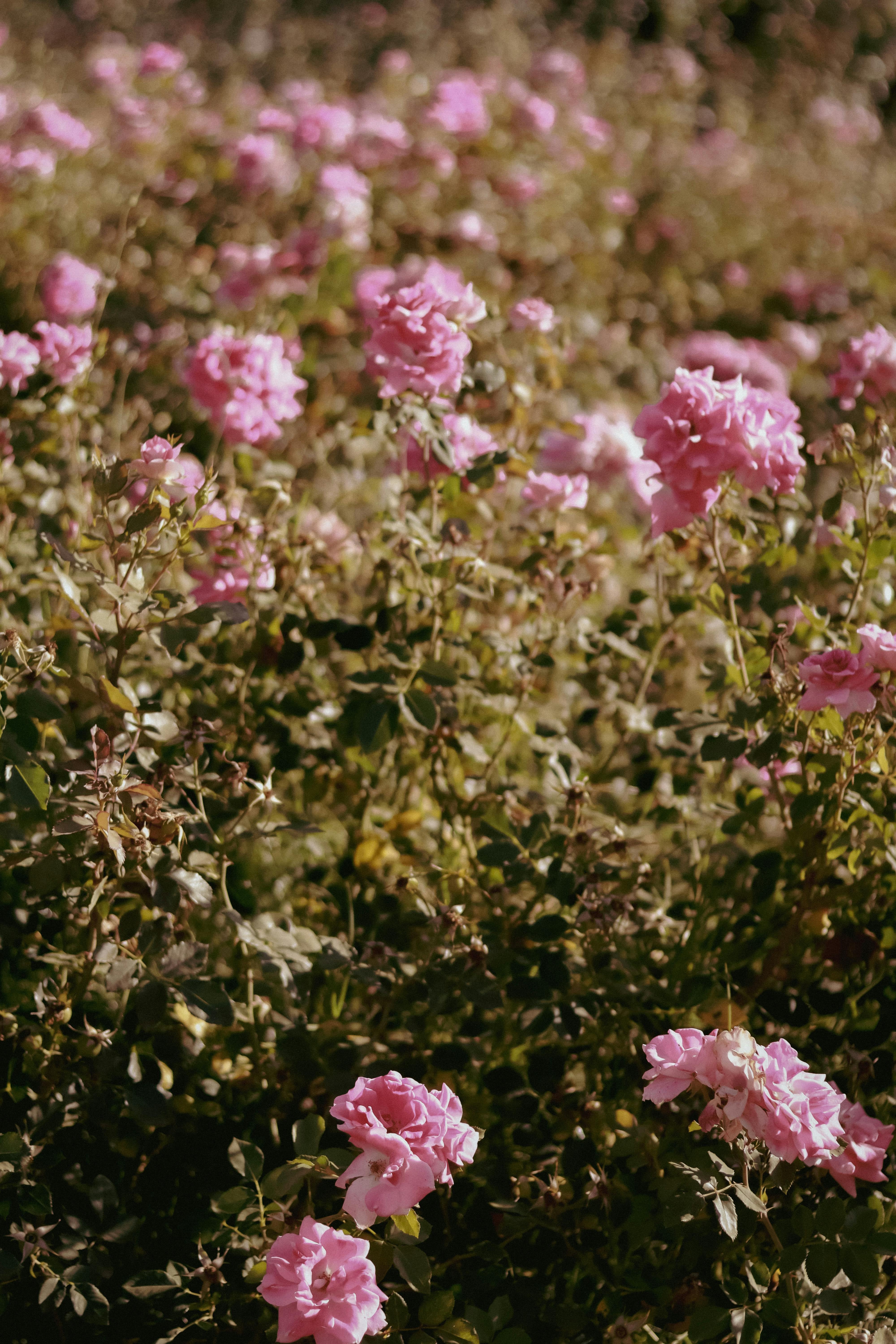
We are not from Kannauj. We are of Kannauj.
Kannauj has been making the world's finest fragrances for over four centuries. Long before synthetic perfumes existed. Long before fragrance became an industry. The soil here, the water here, the roses grown here - they produce something that cannot be replicated anywhere else on earth.
That is why the Government of India gave Kannauj attar a GI Tag - a geographical indication that works like a stamp of origin. Like Champagne for wine. Like Darjeeling for tea. Kannauj attar is legally and officially one of a kind.
Our family has been part of this city's craft for a hundred years. Our rose fields are in this soil. Our workshop is on these streets. Our water comes from this earth.
When you buy from Hari Bhai Shah, you are not buying a product inspired by Kannauj. You are buying Kannauj itself.
"Our rose fields are in this soil. Our workshop is on these streets. This is not where we work. This is who we are."
"It always has been. It always will be."
Not because it sounds good on a label. Because it is the only standard Hari Bhai would have recognised. Because it is what Rakesh refused to compromise when synthetic perfumes flooded India. Because it is what Neeraj maintained when he could have cut corners and nobody would have known. Because it is what Pranay owes to the people who are now, finally, buying from us directly.
You may find more expensive attars.
You will not find more honest ones.
A hundred years of craft. Now yours directly.
Seven collections. Pure attars, floral waters, healing oils, sacred aromas, and more - all made in our Kannauj workshop without shortcuts.
Explore Our Collections →Sixteen hours. One batch. One way.
The same copper deg. The same mitti seal. The same wood fire. See exactly how every product in our range is made - the way it has been since 1920.
See How We Make It →